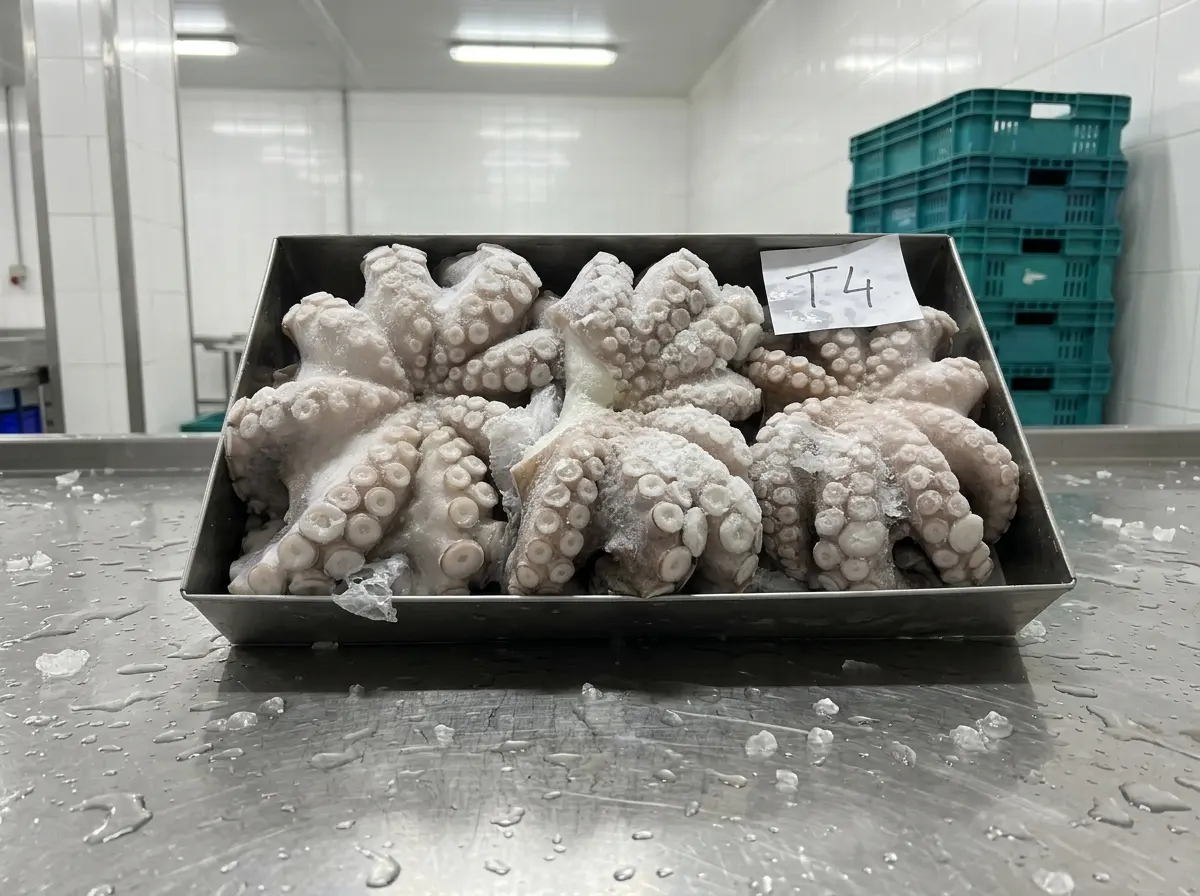

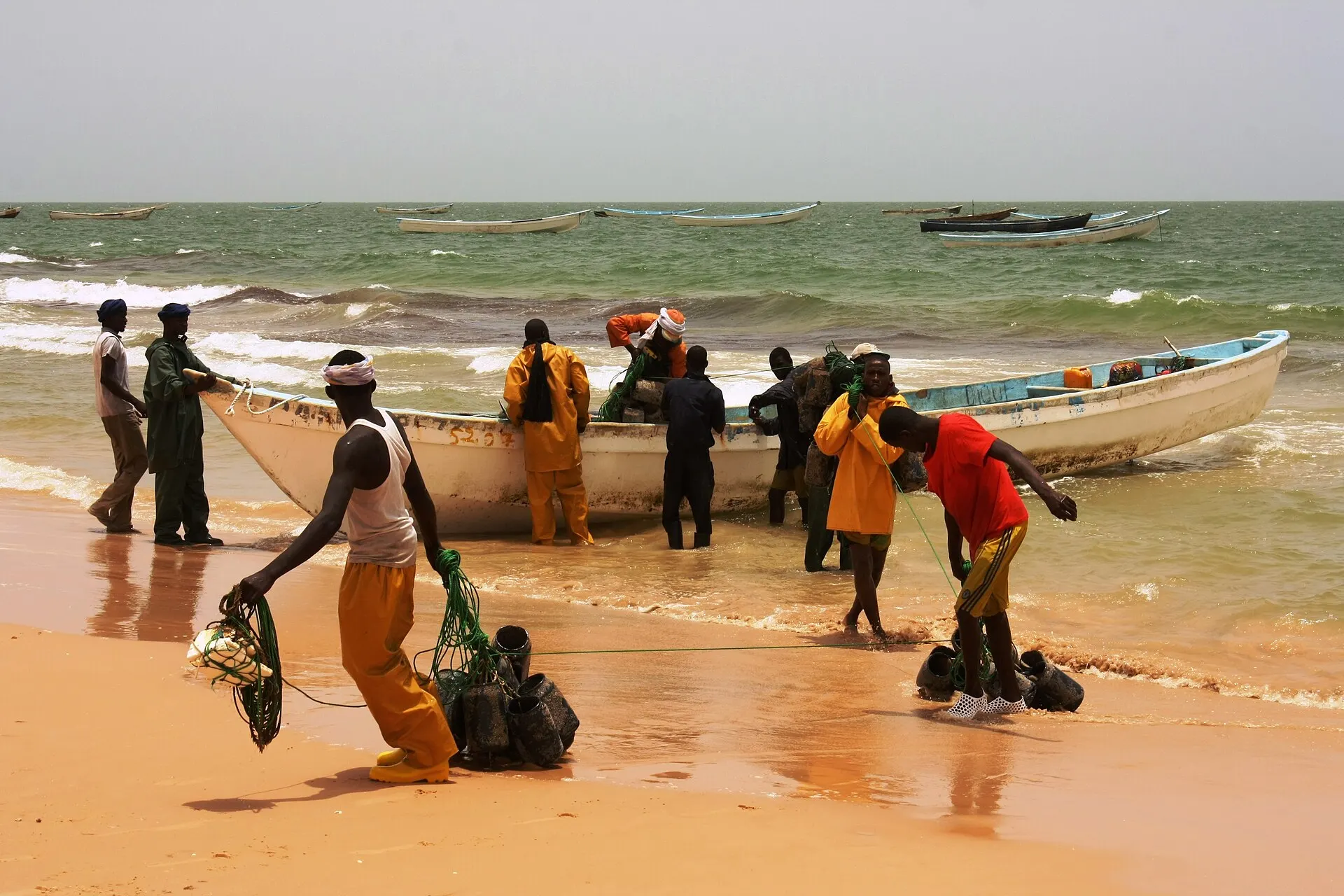
If you buy octopus, cuttlefish or squid from Mauritania, the calendar matters as much as the price. Twice a year the country stops cephalopod fishing to protect the stock. These biological closures decide when fresh production is available and when prices move.
Two closures a year
Mauritania closes cephalopod fishing twice a year:
- a summer closure, usually from May to July
- an autumn closure, usually from October to December
The dates are set each year by the authorities, often at short notice, and closures are sometimes extended. In practice, there is no new octopus production for about five to six months a year.
What happened in 2026 so far
- Summer closure 2026: it started on 1 May and was extended to 15 July. Fishing reopened step by step between 15 and 25 July 2026.
- Autumn closure 2026: it starts on 10 October 2026 for cephalopods and for the demersal offshore fleet. The end date has not been announced yet.
For comparison: in 2025 the autumn closure ended late, and fishing only reopened on 16 December 2025.
Why the closures exist
Octopus is Mauritania’s most valuable export: it makes up about 40 to 50 % of the value of seafood exports. The stock is under pressure, and scientists at IMROP, the national oceanographic institute, consider it heavily exploited. The total allowable catch for octopus in 2024 was 30,744 tonnes. The closures give the stock time to recover.
For buyers this means: the closures are not going away, and they can get longer.
What it means for your orders
During a closure there is no new production. Plants sell from their cold-store stock, and prices for good grades often rise towards the end of the closure.
After the reopening the first weeks bring a lot of fresh production. This is the best time to secure volume and the grades you need, but the whole market wants the same goods at the same time.
How to plan
- Book before the reopening. Agree specification, volume and price with the plant before the fleet goes back to sea, so your order is in the first production.
- Prepare the letter of credit early. Frozen exports go through the SMCP and are paid by letter of credit. If it is ready when production starts, your goods do not wait in the cold store.
- Do not sign impossible dates. A shipment promised for November can be hard to fill if the autumn closure is extended.
- Use the closure for sourcing. October to December is the right time to visit plants, check their stock and prepare contracts.
Dates to watch in 2026/27
| Date | What happens |
|---|---|
| 6–8 October 2026 | Conxemar trade fair, Vigo (Spain) |
| 10 October 2026 | Start of the autumn closure |
| 14 November 2026 | End of the current EU–Mauritania fisheries protocol |
| December 2026 (expected) | Reopening, date to be announced |
| 20–22 April 2027 | Seafood Expo Global, Barcelona |
| May 2027 (expected) | Start of the summer closure |
We update this calendar as soon as new dates are announced.
Closure dates are set each year by the Mauritanian authorities and can change at short notice. Status: September 2026.